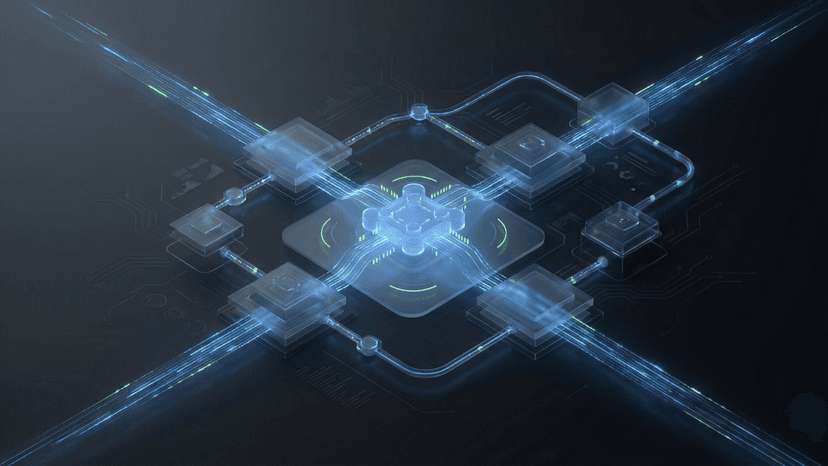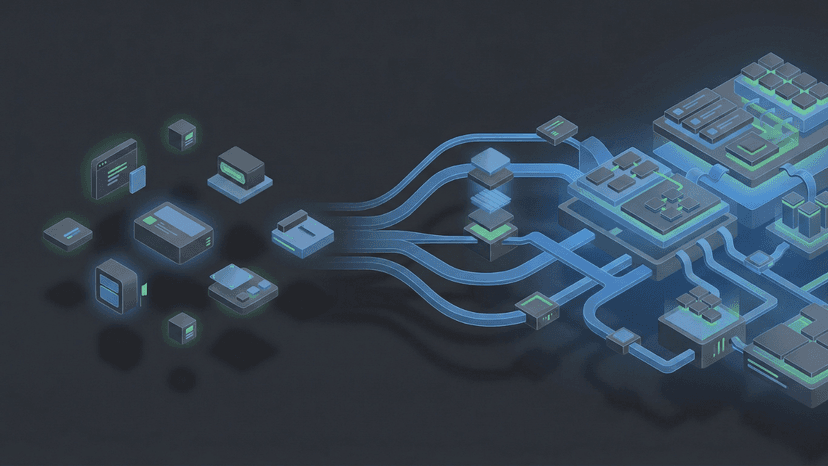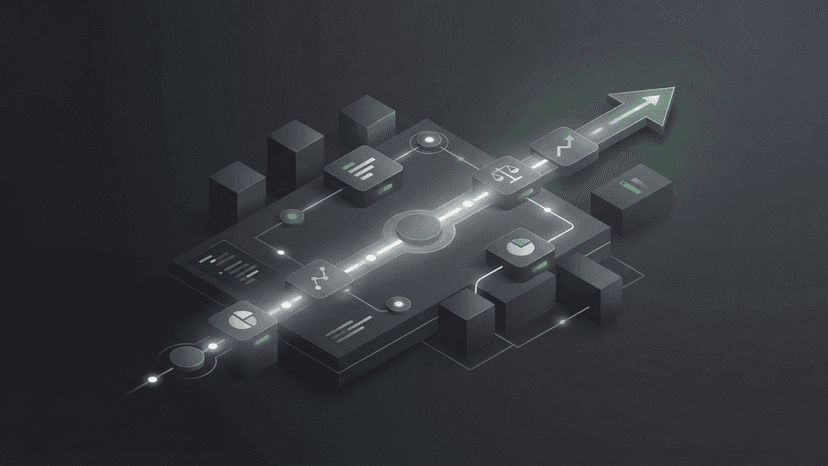
Saudi Arabia's AI ambitions are backed by infrastructure investments that most countries cannot match. The Shaheen III supercomputer, the Hexagon data center, and the National Data Lake are not future plans — they are operational systems that are reshaping what is possible for enterprise platform builders in the Kingdom.
Sovereign Computing at Scale
The Hexagon data center, operated as one of the world's largest government-run data facilities with a capacity of 480 megawatts, represents a clear commitment to sovereign computing. For system builders, this changes the conversation about data residency and processing power. When a client asks whether their AI workloads can be processed within the Kingdom, the answer is no longer "it depends" — it is "yes, and here is the infrastructure that makes it possible."
The Shaheen III supercomputer at KAUST provides the computational backbone for training large-scale AI models — including localized models designed for Arabic language processing and region-specific applications. This is research infrastructure that is increasingly accessible to enterprise partners through KAUST's collaboration programs.
The National Data Lake
The integration of over 430 government systems into a National Data Lake represents one of the most ambitious data interoperability projects in the region. For enterprise system builders, this creates both opportunity and obligation:
Opportunity — systems that can connect to standardized government data APIs will have access to richer operational context than ever before.
Obligation — the governance requirements for accessing and using this data are rigorous. Your data pipelines need to be built with the same level of auditability and compliance that the National Data Lake itself demands.
What This Means for Platform Architecture
When I design platform architecture for clients operating in the Kingdom, the sovereign infrastructure landscape shapes several key decisions:
Data residency by design. With world-class local infrastructure available, there is no reason to architect systems that require data to leave the Kingdom. This simplifies PDPL compliance and strengthens trust with government and enterprise clients.
Compute planning for AI workloads. The availability of high-performance computing locally means you can plan for computationally intensive operations — training, batch processing, real-time inference — without the latency and compliance risks of offshore processing.
Integration readiness. As more government and enterprise systems connect to shared data infrastructure, your platforms need to be ready to consume and contribute to these data ecosystems through standardized, secure APIs.
Building on Sovereign Foundations
The infrastructure that Saudi Arabia is building is not just about capacity — it is about sovereignty, control, and long-term independence. For system builders, this means designing platforms that leverage these sovereign foundations rather than working around them. The organizations that align their architecture with the Kingdom's infrastructure direction will be better positioned for government partnerships, enterprise procurement, and long-term growth.